

Food waste remains one of the biggest operational challenges facing restaurants today. Not only does it hurt profit margins, it also contributes to environmental issues and undermines customer sustainability expectations. Tackling waste systematically not only improves your bottom line but also strengthens brand value and community impact.
In this guide, we dive into practical, actionable approaches to dramatically reduce food waste in your restaurant — from tracking systems to staff engagement and smart menu design.
1. Measure First: Understand Where Waste Is Happening
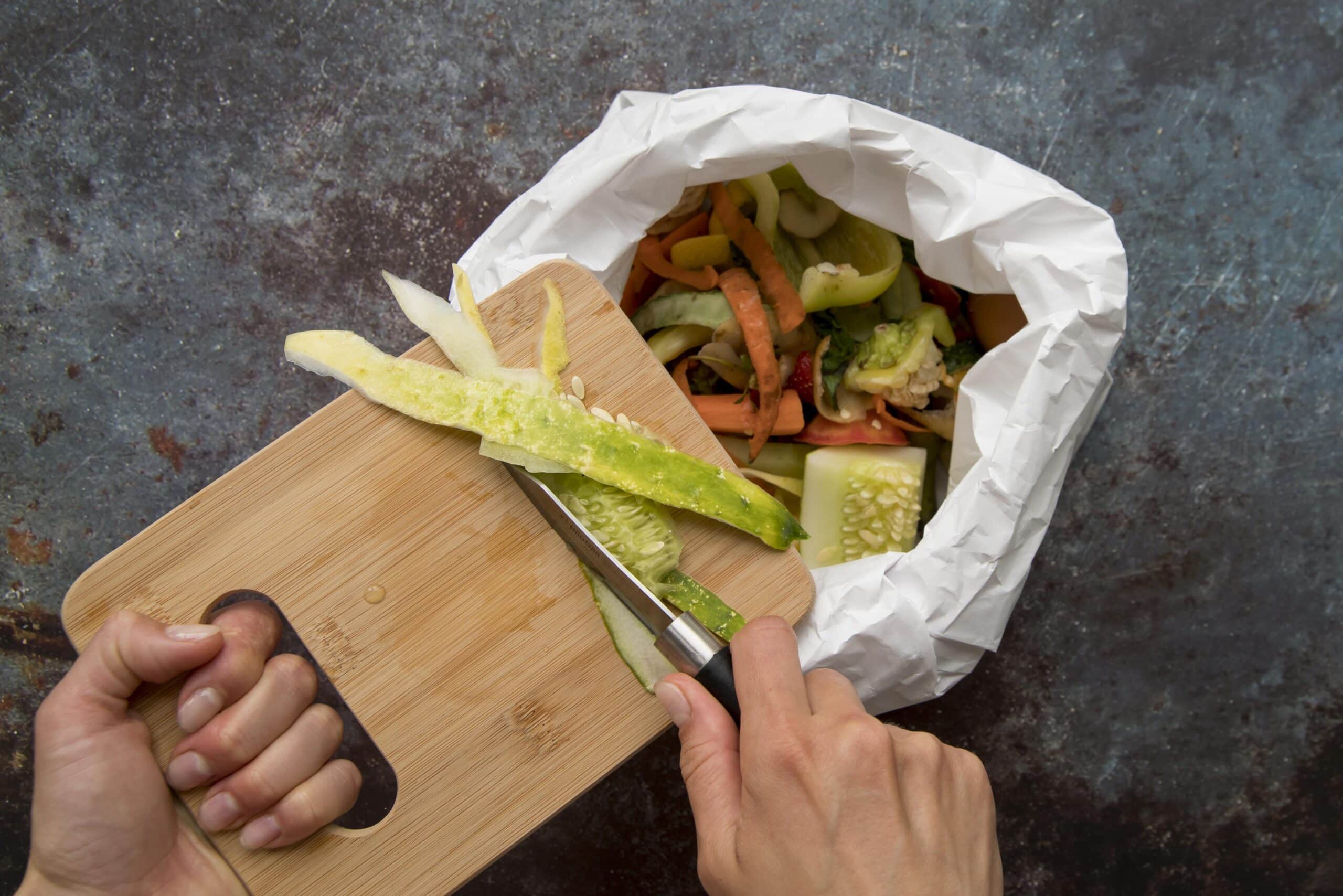
Before making changes, you need clear data on how much and what is being wasted.
Perform Regular Waste Audits
Conduct structured waste audits to capture what gets thrown out — whether it’s prep scraps, expired inventory, or plate leftovers. Track this over time to spot patterns and pinpoint hotspots. trgrestaurantconsulting.com+1
Use Digital Tools
Invest in digital waste tracking tools and smart bins that weigh and categorize discarded food automatically. These systems help you quantify waste and make better decisions.
2. Tighten Up Inventory Practices
Efficient inventory management is one of the most impactful ways to minimize waste before it even begins.
Adopt “First In, First Out” (FIFO)
Always use older stock before newer deliveries — especially for perishables. Keeping an organized storage area makes this process far easier.
Check Stock Frequently
Regularly review inventory levels and expiration dates, and adjust purchasing based on actual usage. Consider automated reordering systems that sync with sales data to avoid overbuying.
3. Optimize Your Menu for Waste Reduction
Your menu should be designed not just for sales but also for sustainability.
Cross-Use Ingredients
Build dishes around versatile ingredients that can be used in multiple menu items to reduce the risk of leftovers.
Offer Portion Options
Give guests choices like half plates or customizable sides to help reduce plate waste.
Monitor Low-Performers
Analyze sales and waste data to identify dishes that consistently contribute to waste — then tweak them or remove them.
4. Empower and Train Your Team
Staff are your frontline in waste prevention — investing in their awareness and skills pays huge dividends.
Educate on Proper Prep & Storage
Train kitchen staff on precise portioning, knife skills to reduce trim waste, and proper storage techniques to extend ingredient life.
Create Accountability
Encourage kitchen staff to take ownership of waste reduction and incorporate waste metrics into regular kitchen briefings. Reward smart suggestions and improvements. trgrestaurantconsulting.com
5. Repurpose Food Instead of Tossing It
Many scraps and leftovers can become new revenue rather than waste.
Transform Scraps Into New Items
Use vegetable trimmings for broth, stale bread for croutons, and ripe fruit in desserts or sauces.
Daily Specials From Surplus
Design daily or weekly specials around surplus ingredients — turning waste reduction into creative opportunity.
6. Engage Customers in the Effort
Diners want restaurants to share responsibility for sustainability — and many are happy to help.
Promote Mindful Ordering
Add notes on menus encouraging customers to order what they’ll enjoy and finish. trgrestaurantconsulting.com
Encourage Leftovers to Go
Offer attractive eco-friendly takeaway containers and make “take home leftovers” part of your service culture.
7. Partner for Greater Impact
You don’t have to do sustainability alone — partnerships can expand your reach.
Donate Surplus to Local Charities
Work with food banks and hunger organizations to ensure unused but edible food feeds people, not landfills.
Work With Farms & Food Rescue Groups
Organic waste can be composted or converted into animal feed through local farm partnerships. Some new tech even turns scraps into valuable products like soil amendments.
8. Build Long-Term Sustainability Into Your Culture
Reducing food waste is most effective when it’s part of your restaurant’s identity — not just a checklist item.
Set Measurable Goals
Define clear, achievable waste reduction targets and update your team on progress. trgrestaurantconsulting.com
Adopt Circular Practices
Explore composting, recycling, and closed-loop systems that keep resources in use longer and cut disposal costs.
Conclusion
Food waste reduction in 2026 is about smart measurement, operational discipline, and creative thinking. Restaurants that take a holistic approach — combining data, technology, staff engagement, customer communication, and community collaboration — will see improved profitability and a stronger sustainability reputation.
Every piece of food saved is a step toward greater resilience, lower costs, and a healthier planet.


