

The restaurant industry continues to evolve rapidly — shaped by shifting consumer behaviors, rising costs, labor challenges, technological innovation, and new culinary expectations. As we move deeper into 2026, operators face both hurdles and opportunities. This year’s outlook blends cautious optimism with strategic imperatives for growth and resilience.
Economic Picture: Moderate Growth and Ongoing Challenges
Industry Sales and Revenue Expectations
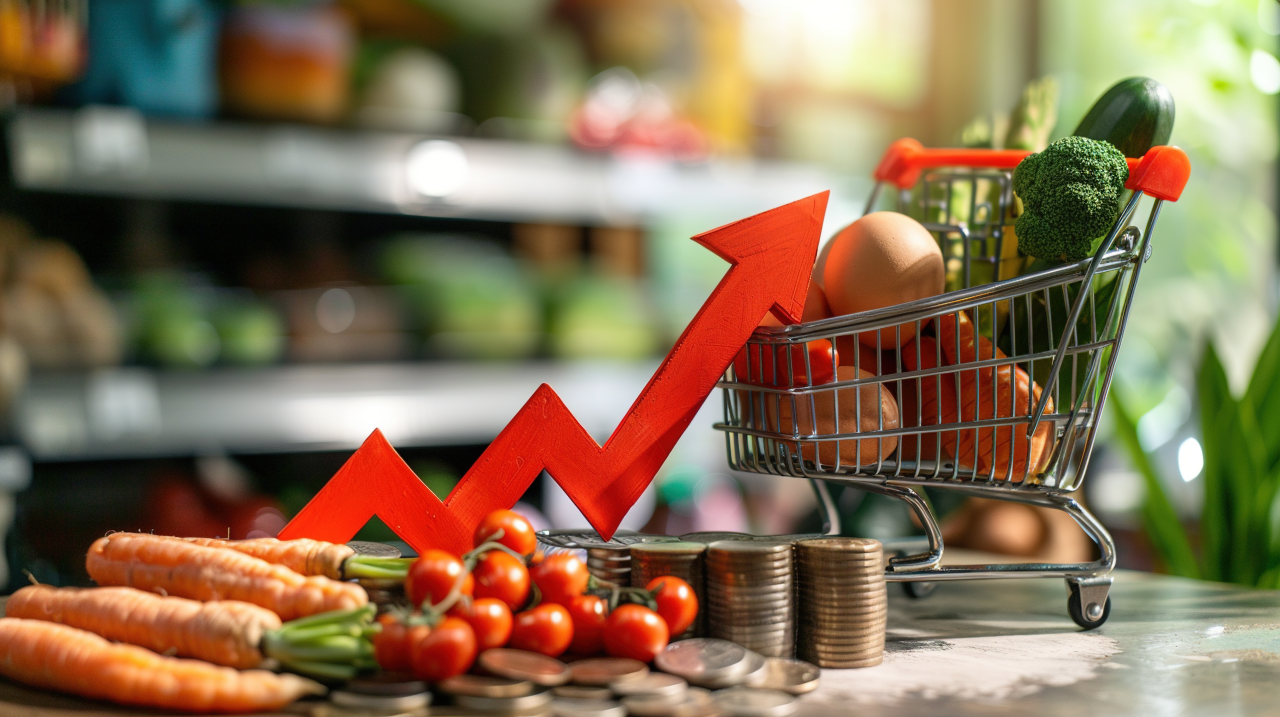
The restaurant industry remains a powerhouse in the broader foodservice economy. Traditional dining sales are projected to continue growing, with forecasts showing industry revenue surpassing historical benchmarks — driven by pent-up demand from consumers willing to dine out for both experience and convenience.
Even with broader economic pressures, restaurants are expected to navigate toward steady sales growth in 2026, albeit with tighter margins and increased focus on operational efficiency.
Consumer Behavior & Dining Patterns in 2026
Value, Experience, and Intentional Spending
Diners today are more discerning than ever. With inflation fatigue and heightened cost sensitivity, guests are carefully weighing their choices. Value now means consistent quality, fair pricing, and memorable experiences — not just discounts.
Takeout and Delivery as Staple Choices
Takeout and delivery have cemented their place as major segments of restaurant traffic, transforming from convenient add-ons to everyday norms in many markets. Consumers increasingly favor hybrid models that balance dine-in engagement with off-premise convenience.
Operational Realities: Costs, Labor, and Technology
Cost Pressures Persist
Food and labor costs remain among the most significant challenges for operators. Many restaurants continue to respond with strategic pricing, menu engineering, and streamlined workflows to protect margins without eroding customer demand.
Staffing Challenges Remain Central
Hiring and retaining skilled staff remains difficult. Restaurants are investing more in competitive wages, flexible scheduling, and training programs to reduce turnover and maintain consistent service quality.
Tech Adoption as a Competitive Advantage
Automation, digital ordering, and AI-enabled tools are now critical parts of the operations toolbox — helping restaurants improve efficiency, minimize labor strain, and elevate guest experiences.
Menu and Culinary Direction
Diverse Flavor Profiles and Global Influence
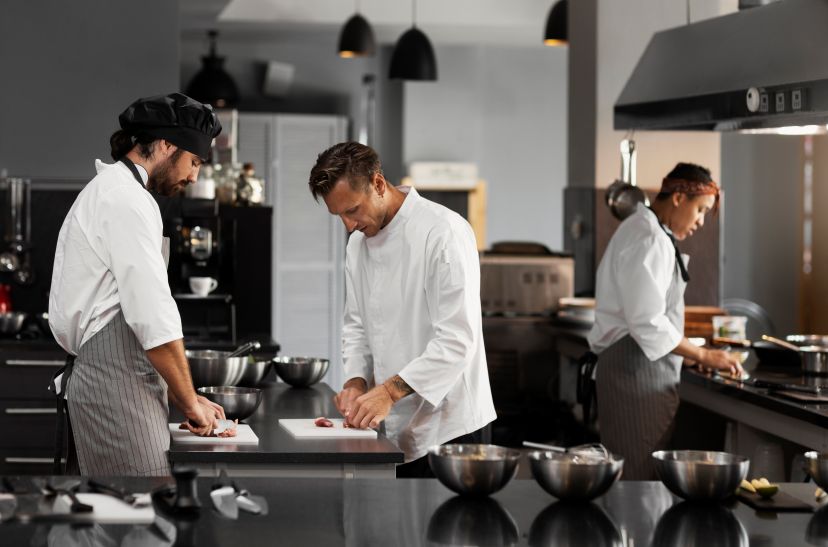
Menus in 2026 continue to embrace global inspirations, blending authentic elements from around the world with locally sourced ingredients and chef-driven creativity. This fusion not only attracts adventurous diners but also reinforces local identity.
Comfort, Health, and Nostalgia on the Menu
Diners increasingly seek comfort and familiarity without sacrificing novelty. Nostalgic foods and health-forward choices are both in demand — from reimagined classics to lighter, wellness-oriented selections.
Technology Transforming Operations and Guest Experience
AI and Automation for Efficiency
Across back-of-house and front-of-house functions, restaurants are using AI and automation to cut waste, improve forecasting, manage inventory, and speed service — all while preserving human hospitality where it matters most.
Digital Connectivity and Loyalty
Digital platforms — including contactless payments, advanced loyalty systems, and mobile ordering — are deepening guest engagement and encouraging repeat visits. These systems create frictionless interactions that align with modern consumer expectations.
Sustainability and Branding
Environmental Responsibility as a Brand Pillar
Sustainability isn’t just a fad — it’s an expectation. Restaurants adopting eco-friendly practices such as waste reduction, composting, and responsible sourcing are strengthening their appeal to environmentally conscious consumers.
Local Sourcing and Community Engagement
Supporting local producers and reducing food miles not only improves ingredient freshness but also resonates with guests who want transparency and community connection in the dining experience.
Strategic Recommendations for Operators in 2026
To thrive in the year ahead, restaurant owners and managers should consider:
- Balancing pricing and perceived value — Loyal customers reward consistency and fairness.
- Investing in technology that complements service — Streamline operations without sacrificing hospitality.
- Prioritizing staff development and retention — A motivated team elevates guest satisfaction.
- Evolving menus with intentionality — Align innovation with guest demand.
By blending innovation with operational discipline, restaurants can navigate ongoing headwinds while capturing new growth opportunities in a dynamic market.
Conclusion
2026 will be defined by restaurants that deliver excellence at every touchpoint — from kitchen efficiency and technology integration to menu relevance and guest experience. Operators who adapt, invest wisely, and stay closely tuned to consumer preferences are best positioned to succeed in an increasingly competitive landscape.

